 Water is easy to take for granted. You drink it when you’re thirsty, refill your bottle when it’s empty, and move on with your day.
However, hydration affects much more than thirst. Your body needs water to regulate temperature, transport nutrients, remove waste, and support normal physical function.
That becomes especially important when you’re exercising, working outside, spending long hours on your feet, or dealing with hot and humid weather. So, are you drinking enough water?
Why Is Hydration So Important?
Water is essential for life and makes up a large portion of the human body. It helps your body maintain normal temperature, supports circulation, and provides the environment your cells need to function properly.
Your total water intake doesn’t come only from a glass of water, either. Water comes from drinking water, other beverages, and the foods you eat.
The National Academies also notes that your fluid needs can vary significantly depending on activity level, environmental conditions, diet, and other factors.
In other words, there isn’t one magic number that works for everyone.
Hydration and Your Muscles
Your muscles depend on adequate fluids to function normally. When you exercise or work in the heat, you lose additional water through sweat.
That’s why hydration becomes especially important during physical activity.
If you’re going for a long walk, working in the yard, exercising at the gym, or spending the day outdoors in Mooresville, NC, make a point of drinking regularly rather than waiting until you’re extremely thirsty.
Hydration also works together with other healthy habits. Proper nutrition, adequate rest, and regular movement all contribute to your body’s ability to perform and recover.
If you’re interested in staying active as you age, strength training can be an important part of maintaining your health and mobility.
Does Hydration Affect Your Joints?
Water doesn’t act as a cure for joint pain, but it plays an important role in normal body function.
Your joints and connective tissues contain water, and adequate hydration supports the body’s normal physiological processes. Water also helps lubricate and cushion joints, according to the CDC.
That doesn’t mean drinking more water will automatically eliminate stiffness or pain. However, staying properly hydrated is one simple piece of a larger wellness strategy.
For people who want to maintain healthy movement, hydration can be combined with regular physical activity, good nutrition, adequate sleep, and appropriate chiropractic care.
You can learn more about how chiropractic care supports healthy movement and overall function.
How Much Water Do You Really Need?
You’ve probably heard that everyone should drink eight glasses of water every day.
The reality is more complicated.
Water needs vary from person to person. The National Academies’ reference values for adults are based on total water intake, which includes water from food and beverages, rather than simply the amount of plain water you drink.
Your needs can also increase when you’re physically active or exposed to hot weather.
Instead of obsessing over a specific number, pay attention to your body’s signals and your daily circumstances. If you’re sweating heavily, exercising for a long period, or spending time outside on a hot North Carolina day, you’ll generally need more fluids.
For more information about water and healthy hydration, the CDC’s guidance on water and healthier drinks is a useful resource.
Signs You May Need More Fluids
Thirst is an obvious signal, but it isn’t the only one.
Depending on the circumstances, inadequate fluid intake can be associated with symptoms such as:
- Darker Urine
- Increased Thirst
- Fatigue
- Headache
- Reduced physical performance
- Difficulty concentrating
- Feeling overheated
These symptoms can have many possible causes, so don’t automatically assume dehydration is the problem. However, they can be a good reminder to consider whether you’ve been drinking enough.
Simple Ways to Stay Better Hydrated
You don’t need a complicated hydration strategy.
Instead, build a few simple habits into your normal routine:
- Start your morning with a glass of water.
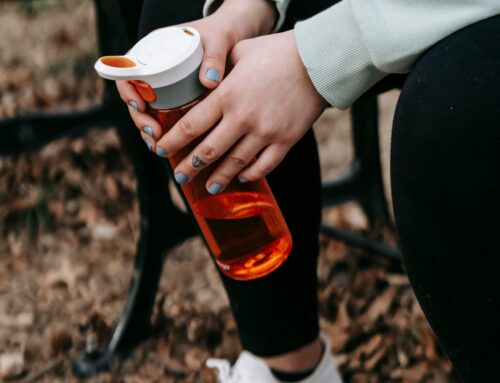
- Keep a reusable water bottle nearby.
- Drink water with meals.
- Have water available during exercise.
- Drink regularly when working or exercising outside.
- Increase your fluid intake when you’re sweating more than usual.
- Eat water-rich foods such as fruits and vegetables.
- Make water your primary beverage throughout the day.
Most importantly, make hydration easy. Small habits that you consistently practice tend to be more sustainable than trying to dramatically change your routine overnight.
Hydration Is One Small Part of a Bigger Wellness Plan
Good health rarely comes from one magic habit.
Instead, it comes from consistently taking care of the basics: moving your body, eating nutritious foods, getting adequate sleep, managing stress, and staying properly hydrated.
At Active Spine Chiropractic, we believe wellness should be practical. You don’t have to completely change your lifestyle to make progress. Sometimes, the simplest improvements are the ones that are easiest to maintain.
If you’re looking for more ways to stay ahead of pain and maintain healthy movement, our wellness approach focuses on helping patients stay active and support their long-term health.
Helping Mooresville Stay Active
At Active Spine Chiropractic in Mooresville, NC, we work with patients who want to reduce pain, improve mobility, stay active, and take a more proactive approach to their health.
Whether you’re dealing with back or neck discomfort or simply want to maintain your ability to do the activities you enjoy, we’re here to help.
Don’t wait until a small problem becomes a major interruption to your life. Take care of your body today so you can keep doing the things you enjoy tomorrow.
Frequently Asked Questions
How do I know if I’m drinking enough water?
There isn’t one exact amount that works for everyone. Your needs depend on factors such as your activity level, environment, diet, and overall health. Thirst, urine color, and how much you’re sweating can provide useful clues.
Does coffee count toward my daily fluid intake?
Yes. Beverages such as coffee and tea contribute to total fluid intake. Caffeinated beverages aren’t automatically dehydrating, although water remains an excellent primary beverage choice.
Should I drink more water when I exercise?
Usually, yes. Exercise increases fluid losses through sweating, particularly during longer workouts or when exercising in hot or humid conditions.
Can dehydration cause muscle cramps?
Dehydration and electrolyte losses can contribute to muscle cramping, particularly during prolonged or strenuous activity. However, cramps can have several causes, so hydration isn’t always the complete explanation.
Can drinking more water help with joint pain?
Adequate hydration supports normal body function and helps maintain the body’s tissues, but drinking more water isn’t a treatment for joint pain. Persistent or significant pain should be properly evaluated.
About the Author
Dr. Spencer Charlet, DC, is the owner and chiropractor at Active Spine Chiropractic in Mooresville, NC. Dr. Charlet has practiced chiropractic care in North Carolina for more than 20 years and focuses on helping patients improve mobility, reduce pain, stay active, and support their overall wellness.
Through the Active Spine Chiropractic blog, Dr. Charlet shares practical, evidence-based information about chiropractic care, exercise, nutrition, and healthy lifestyle habits.