 Why Movement Is So Important for Healthy Joints
Have you ever noticed that your joints feel stiff after sitting for a long time, but loosen up once you start moving?
That experience is common. Our joints are designed to move, and regular movement is an important part of maintaining mobility, strength, and everyday function. You do not have to spend an hour at the gym every day to support your joints, either. Small amounts of movement throughout the day can add up.
For people in Mooresville, NC, who spend much of the day sitting at a desk, driving, working from home, or watching television, finding simple ways to move more can make a meaningful difference.
How Movement Supports Healthy Joints
Movement takes your joints through different ranges of motion and helps maintain the mobility you use for everyday activities such as walking, reaching, bending, and climbing stairs.
Regular physical activity also strengthens the muscles that support your joints. Stronger muscles can help you perform daily activities more efficiently and maintain physical function as you get older.
Movement can be particularly important for people who already experience arthritis or joint stiffness. The CDC’s guidance on physical activity and arthritis notes that physical activity can help reduce joint pain and improve physical function and quality of life.
That does not mean you should ignore pain or force a joint through a painful movement. Instead, the goal is to find activities that your body tolerates well and gradually build from there.
Why Sitting Too Long Can Make You Feel Stiff
Your body often tells you when it has been in one position for too long.
After sitting at a desk for several hours, you might notice stiffness in your hips, knees, back, or neck. That does not necessarily mean you have damaged your joints. Often, you simply need to change positions and move.
Our recent article on back pain from sitting and simple ways to protect your spine discusses this idea in more detail.
Try standing up, walking around the office, taking a few stairs, or performing a few comfortable movements before returning to your task.
You Don’t Have to Exercise for an Hour
There is an important difference between exercise and movement.
A structured workout might include strength training, cardio, or other planned activities. Movement is broader. Walking to the mailbox, taking the stairs, doing yard work, standing while talking on the phone, or taking a short walk during your workday all count as ways to be more active.
The CDC specifically notes that physical activity can be broken into shorter periods. Even five- or ten-minute periods can be useful.
So instead of thinking, “I don’t have time to exercise today,” try asking, “Where can I add a little more movement today?”
Simple Ways to Move More
You do not need to completely change your schedule. Start with small opportunities:
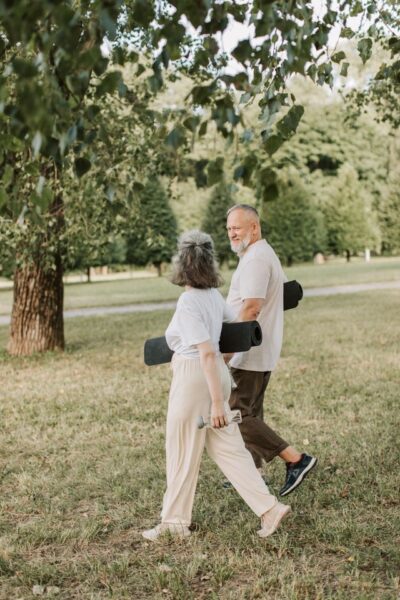
- Take a short walk after a meal.
- Stand up and move around during phone calls.
- Park a little farther away when practical.
- Take the stairs when appropriate.
- Walk around your house during television commercials.
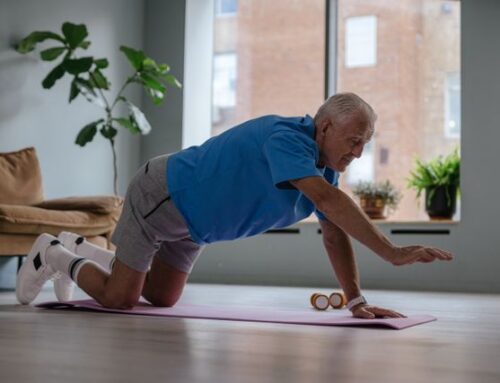
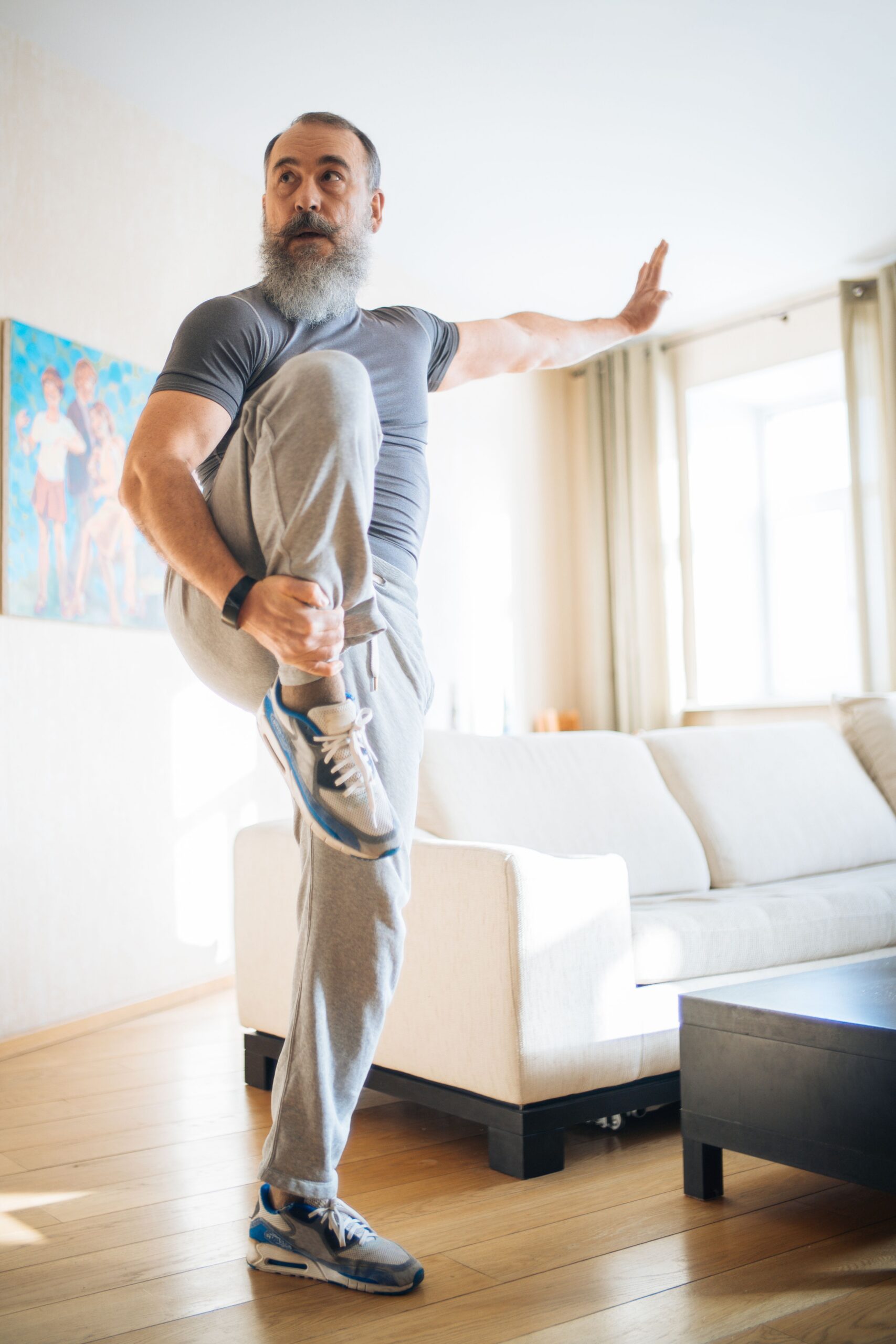
- Perform a few comfortable mobility movements after sitting.
- Break up long periods of desk work with brief movement breaks.
If you are already active, keep doing the activities you enjoy. If you have been inactive, start gradually rather than trying to make up for lost time with an intense workout.
Our article on why mobility matters as you age also explains why maintaining strength, mobility, balance, and regular movement becomes increasingly important over time.
Consistency Matters More Than Doing Too Much
One of the biggest mistakes people make is going from very little activity to a demanding exercise program overnight.
Your body needs time to adapt. Start with manageable activities, pay attention to how your body responds, and increase the amount or intensity gradually.
Healthy joints are not about avoiding movement because something might hurt. They are also not about pushing through every painful sensation.
The goal is appropriate, consistent movement that helps you maintain the ability to do the things you enjoy.
Keep Your Joints Moving
You do not need a perfect exercise program to support healthy joints. Start by moving more often, sitting for shorter periods, and choosing activities you can perform consistently.
If stiffness, pain, or restricted movement is making it harder to stay active, an evaluation may help determine what is contributing to the problem.
At Active Spine Chiropractic in Mooresville, NC, we help patients understand their musculoskeletal concerns and develop practical strategies for improving movement and staying active.
Learn more about chiropractic care at Active Spine Chiropractic or schedule an evaluation if pain or restricted movement is interfering with the activities you enjoy.
Frequently Asked Questions About Movement and Joint Health
1. Is movement really good for your joints?
Yes. Regular physical activity can help maintain joint function, mobility, muscle strength, and physical function. For people with arthritis, regular activity can also help reduce pain and improve function.
2. Can sitting too long make my joints feel stiff?
Yes. Staying in one position for extended periods can contribute to feelings of stiffness. Changing positions and moving regularly can help you avoid prolonged inactivity.
3. Do I need to exercise for an hour every day to keep my joints healthy?
No. Structured exercise is valuable, but movement throughout the day also matters. Short walks and brief activity periods can add up.
4. What is the best exercise for healthy joints?
There is not one exercise that is best for everyone. Walking, strength training, swimming, cycling, mobility exercises, and other activities can all be useful. The best choice is one that fits your abilities, goals, and health needs and that you can perform consistently.
5. What should I do if movement causes joint pain?
Do not simply push through significant or worsening pain. Modify the activity and consider having the problem evaluated, especially if pain persists, swelling develops, or the symptoms interfere with normal activities.
About the Author
Dr. Spencer Charlet is the chiropractor and owner of Active Spine Chiropractic in Mooresville, NC. He has practiced chiropractic care in North Carolina for more than 20 years and focuses on helping patients improve mobility, manage musculoskeletal conditions, and stay active.
Dr. Charlet has a strong background in fitness, exercise, nutrition, and practical wellness strategies. Through the Active Spine Chiropractic blog, he provides evidence-based information about musculoskeletal health, exercise, nutrition, and healthy lifestyle habits.