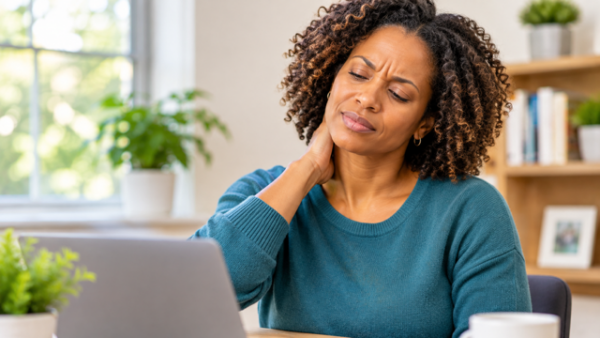
 Can Stress Cause Physical Pain? How Stress Affects Your Neck, Back, and Muscles
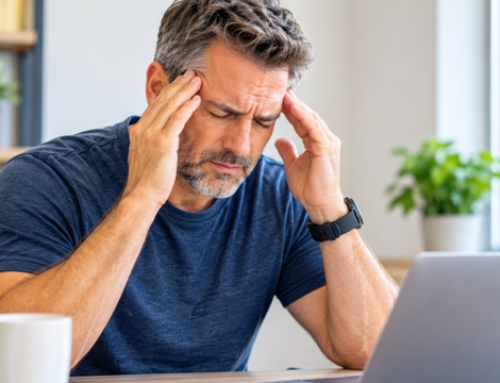
Have you ever noticed your neck tightening, shoulders becoming stiff, or back starting to ache during a particularly stressful week? You aren’t imagining it. Stress and physical pain are closely connected, and the effects can reach much further than you might expect.
Stress doesn’t just affect your thoughts and emotions. It also changes how your body responds, moves, and handles discomfort.
How Stress Affects Your Body
When you experience stress, your body activates its natural fight-or-flight response. Your nervous system releases stress hormones, including adrenaline and cortisol. Your heart rate increases, breathing changes, and muscles tighten to prepare your body to respond to a perceived threat.
This response is helpful in short bursts. However, when stress continues for days or weeks, your body may spend too much time in this heightened state.
Research has found that workplace stressors can increase muscle activity in the neck, shoulders, and forearms. Over time, this additional muscle activity may contribute to discomfort and fatigue.
Why Stress Causes Neck, Shoulder, and Back Tension
Many people unconsciously raise their shoulders, clench their jaw, or tighten their back muscles when they’re stressed.
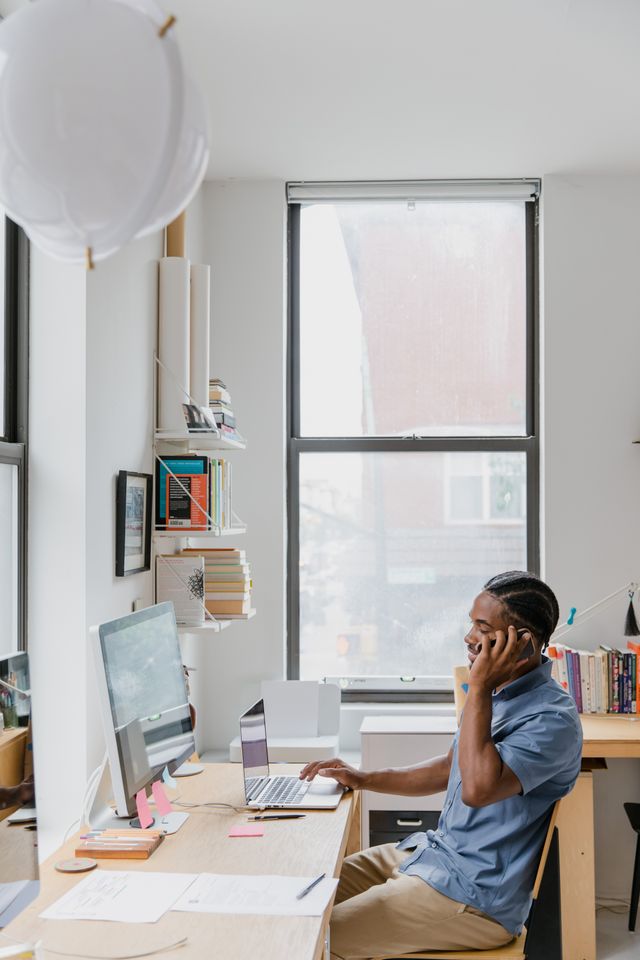
You might notice these habits while working at a computer, driving in traffic, managing family responsibilities, or dealing with a demanding schedule.
When muscles remain tense, they can become uncomfortable and contribute to stiffness. Stress may also affect how your nervous system processes pain, making existing discomfort feel more noticeable.
This helps explain why someone with an existing neck pain problem or back discomfort may notice worsening symptoms during stressful periods.
Stress can also contribute to tension-type headaches. Tightness around the neck, scalp, jaw, and shoulders may accompany these headaches.
The Connection Between Stress, Sleep, and Pain
Stress often makes it harder to fall asleep or stay asleep. Unfortunately, poor sleep and physical discomfort can reinforce each other.
A 2024 systematic review and meta-analysis found that people experiencing sleep problems had a greater likelihood of developing chronic musculoskeletal pain. The researchers also identified evidence that pain can contribute to sleep problems.
This creates a frustrating cycle: stress affects sleep, poor sleep makes discomfort harder to manage, and discomfort can make sleeping even more difficult.
If headaches are part of the problem, our article about common headache triggers and when to seek help provides additional information.
Simple Ways to Reduce Physical Tension
You don’t need to make dramatic lifestyle changes to start helping your body manage stress. A few consistent habits can make a difference:
- Move regularly: Take short walking breaks and avoid remaining in one position for extended periods.
- Relax your muscles: Gently stretch your neck, shoulders, and back without forcing painful movements.
- Practice slow breathing: Spend a few minutes breathing slowly and comfortably to encourage your body’s relaxation response.
- Prioritize sleep: Maintain a consistent bedtime and create a relaxing nighttime routine.
- Make time to unwind: Find activities that help you disconnect from daily pressures.
The National Institutes of Health offers additional information about stress and relaxation techniques.
When Should You Seek Professional Help?
Occasional muscle tension is common. However, persistent pain, recurring headaches, or discomfort that interferes with work, exercise, or everyday activities deserves professional evaluation.
Stress may contribute to physical symptoms, but it shouldn’t automatically be considered the cause. An appropriate evaluation can help identify other possible sources of discomfort and determine the next steps.
At Active Spine Chiropractic in Mooresville, NC, Dr. Spencer Charlet evaluates patients experiencing neck pain, back pain, headaches, and other musculoskeletal concerns. Understanding the factors contributing to your symptoms is an important part of determining appropriate care.
If physical discomfort is affecting your ability to stay active, contact Active Spine Chiropractic to discuss an evaluation.
Remember: Taking care of your physical health includes paying attention to how stress affects your body. Small, consistent changes can help you feel better and keep doing the things you enjoy.
Frequently Asked Questions
1. Can stress really cause physical pain?
Yes. Stress activates your body’s fight-or-flight response, which can increase muscle tension and affect how your nervous system processes pain. These changes may contribute to headaches, neck discomfort, back pain, and muscle tightness.
2. Why do my neck and shoulders hurt when I’m stressed?
Stress can cause you to unconsciously raise your shoulders, tighten your neck muscles, and clench your jaw. Maintaining these patterns for extended periods may contribute to muscle fatigue and discomfort.
3. Can stress make existing back pain worse?
Yes. Stress can contribute to increased muscle tension, disrupted sleep, and greater sensitivity to pain. These factors may make existing back discomfort more noticeable.
4. Can poor sleep make muscle pain worse?
Yes. Research suggests a relationship between sleep problems and musculoskeletal pain. Poor sleep may increase the likelihood of developing persistent discomfort, while pain can also interfere with restful sleep.
5. How can I relieve stress-related muscle tension?
Regular movement, gentle stretching, slow breathing, adequate sleep, and relaxation activities may help. If discomfort persists or interferes with everyday activities, seek a professional evaluation.
About the Author
Dr. Spencer Charlet – Active Spine Chiropractic
Dr. Spencer Charlet is a chiropractic physician at Active Spine Chiropractic in Mooresville, North Carolina. Founded in 2007, Active Spine Chiropractic provides individualized chiropractic care for patients experiencing neck pain, back pain, headaches, injuries, and other musculoskeletal concerns.
Dr. Charlet emphasizes patient education, evidence-based information, and practical strategies that help individuals stay active and maintain their quality of life.
Active Spine Chiropractic proudly serves Mooresville and the surrounding Lake Norman communities.